Fan favourites
Start with these. Fair warning: you'll look at the night sky differently.
One 🤯 fact a week
The kind you'll tell your friends about. Plus first looks at new videos. Free, no spam.
Nerd corner 🤓
Every number in our videos, and where it comes from.
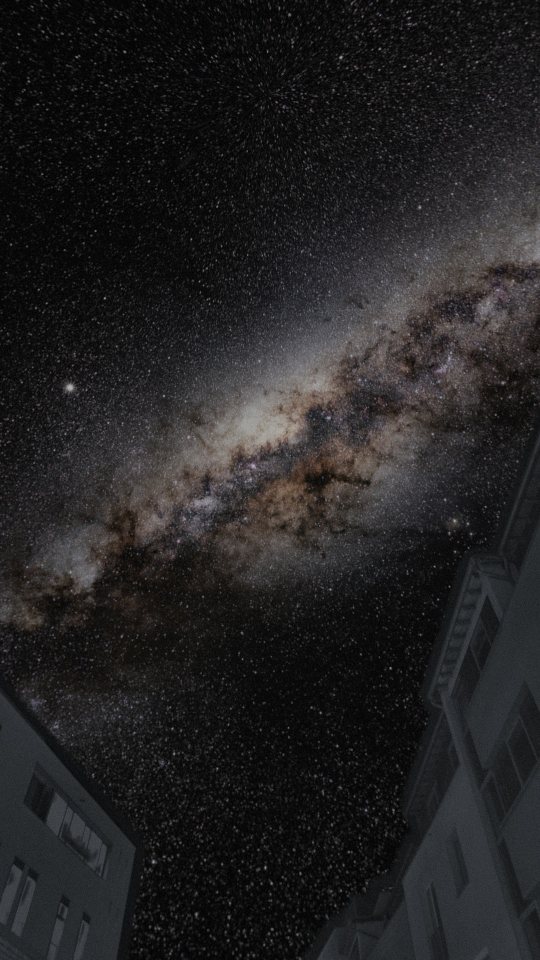
Every light on Earth went out
- ~80% of North Americans can't see the Milky Way from home: Falchi et al., Science Advances (2016).
- Full dark adaptation takes about 20–30 minutes.
- Street: real 360° photo, Poly Haven (CC0). Milky Way: ESO/S. Brunier (CC BY 4.0), a long exposure; to the eye it looks fainter and greyer.
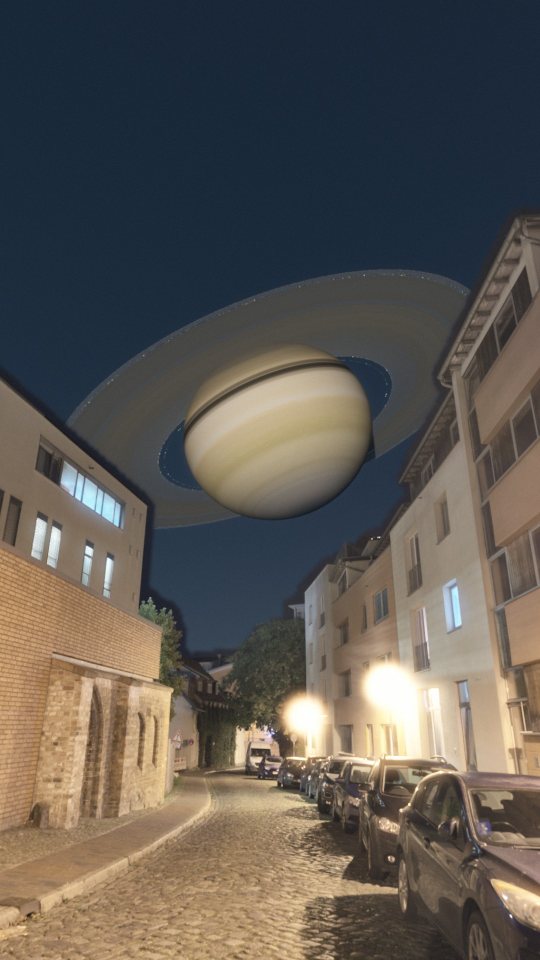
Saturn replaced our Moon
- 120,536 km wide; at the Moon's distance it would span 17.9° of sky (the Moon: 0.52°), rings about 40°.
- Main rings mostly water ice, typically ~10 m thick. Saturn's density is lower than water's. Day: 10 h 33 min. 274 known moons (2025).
- Maps: Solar System Scope (CC BY 4.0). Locations: Poly Haven (CC0). Rendered in Blender.
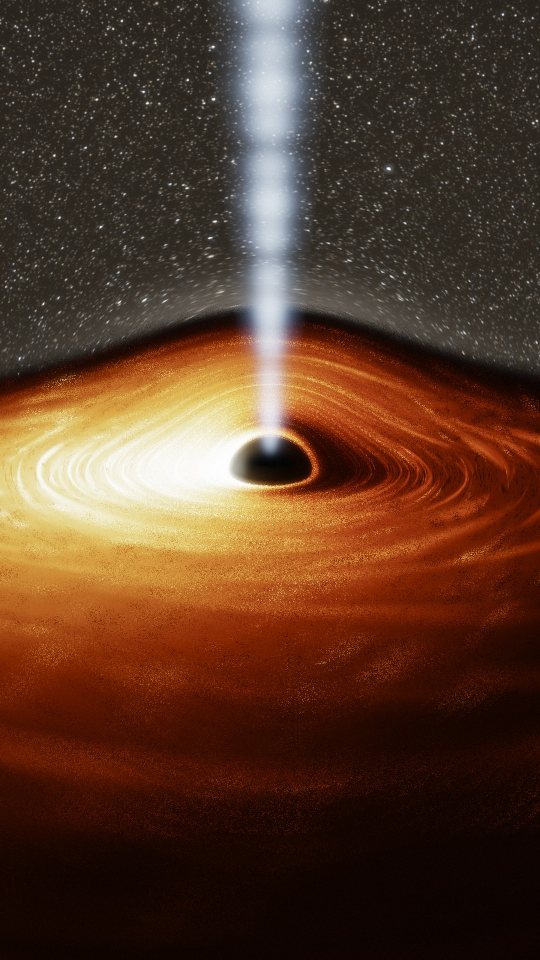
The biggest black hole ever found
- TON 618: about 40 billion solar masses (estimates vary). Event horizon ~1,580 AU across; Neptune's orbit is 60 AU.
- Tidal forces at the horizon are tiny at this mass; the longest fall from horizon to centre is πGM/c³, about 7 days.
- Rendered with our own light-bending ray-tracer. Deep field: NASA, ESA, S. Beckwith and the HUDF Team (CC BY 4.0).
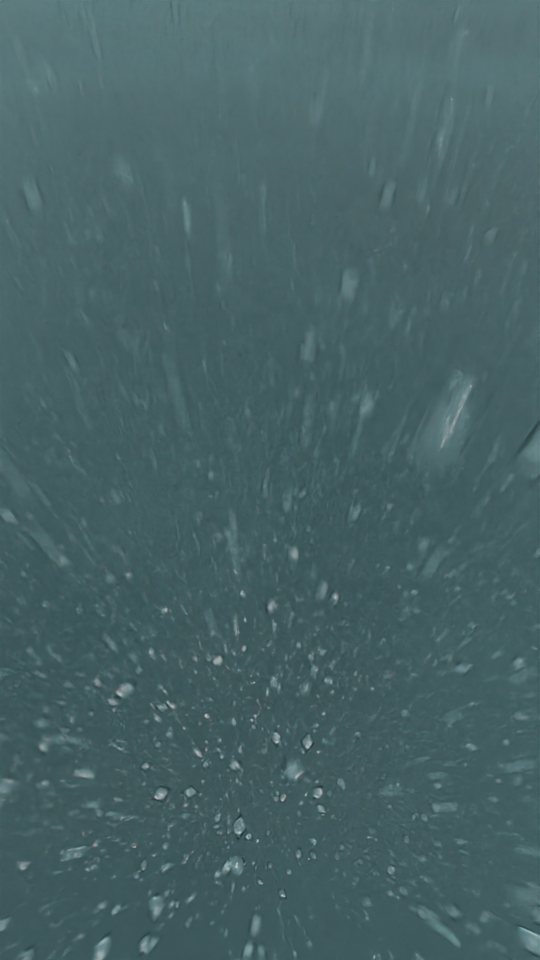
Falling into Uranus
- Tilted 98°; each pole gets ~42 years of daylight. Voyager 2 flew past in 1986. Coldest measured atmosphere: about −224 °C.
- Diamonds have formed from hydrocarbons under Uranus-like pressure in lab experiments (SLAC, 2017 and 2022).
- Map: Solar System Scope (CC BY 4.0). Space and diamond rain rendered in Blender; the cloud dive is partly AI-generated.